Blown-In Insulation for Attics & Hard-to-Reach Areas
Blown-in insulation—also known as loose-fill insulation—is a versatile and cost-effective solution for improving energy efficiency in homes and buildings. At SealTight Foam Insulation, we provide professional blown-in insulation services throughout Northwest Florida and Southern Alabama, including Pensacola, Gulf Breeze, and Mobile.
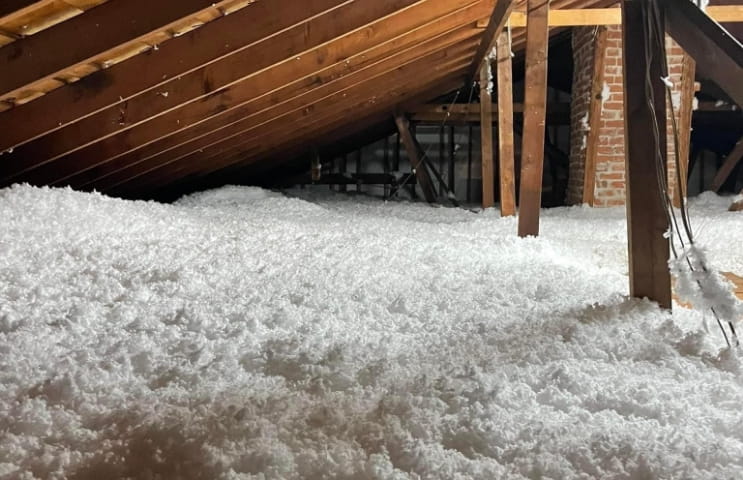
This type of insulation is ideal for attics, wall cavities, and other areas where traditional insulation may be difficult to install or less effective.
What Is Blown-In (Loose-Fill) Insulation?
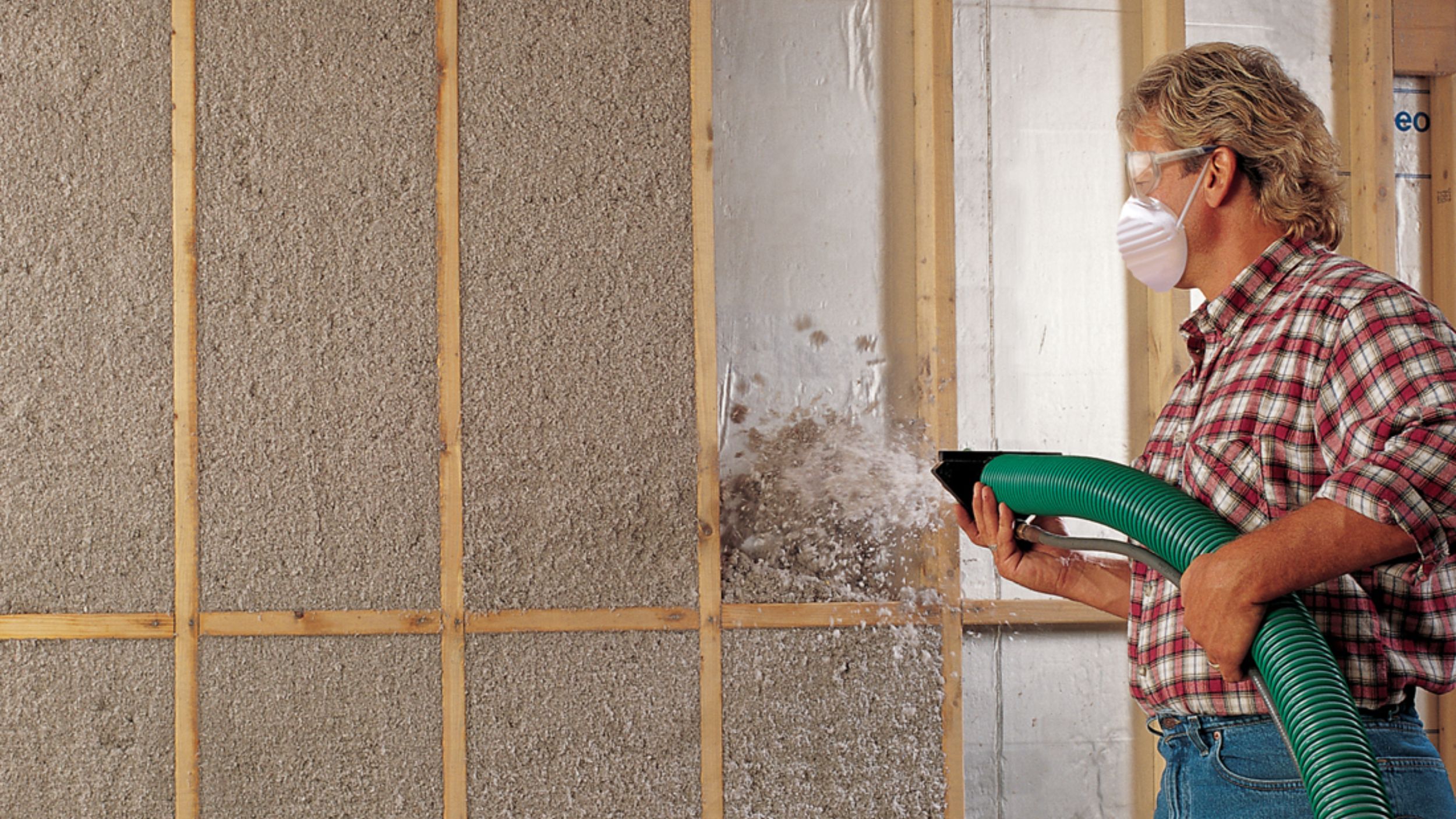
Blown-in insulation is made up of small particles—typically fiberglass, cellulose, or mineral wool—that are installed using specialized equipment. The material is blown into place, allowing it to fill gaps, cracks, and irregular spaces more completely than traditional batt insulation.
Because it conforms to the space, blown-in insulation helps reduce air pockets that can lead to energy loss.
Where Blown-In Insulation Works Best
Blown-in insulation is especially effective in areas that are difficult to access or have irregular shapes.
Common applications include:
- Attics and roof spaces
- Wall cavities (closed cavity applications)
- Hard-to-reach or tight areas
- Homes with existing insulation needing an upgrade
It can also be installed over existing insulation, making it a practical option for improving efficiency without a full removal.
Benefits of Blown-In Insulation
Blown-in insulation offers several advantages for homeowners looking to improve comfort and efficiency:
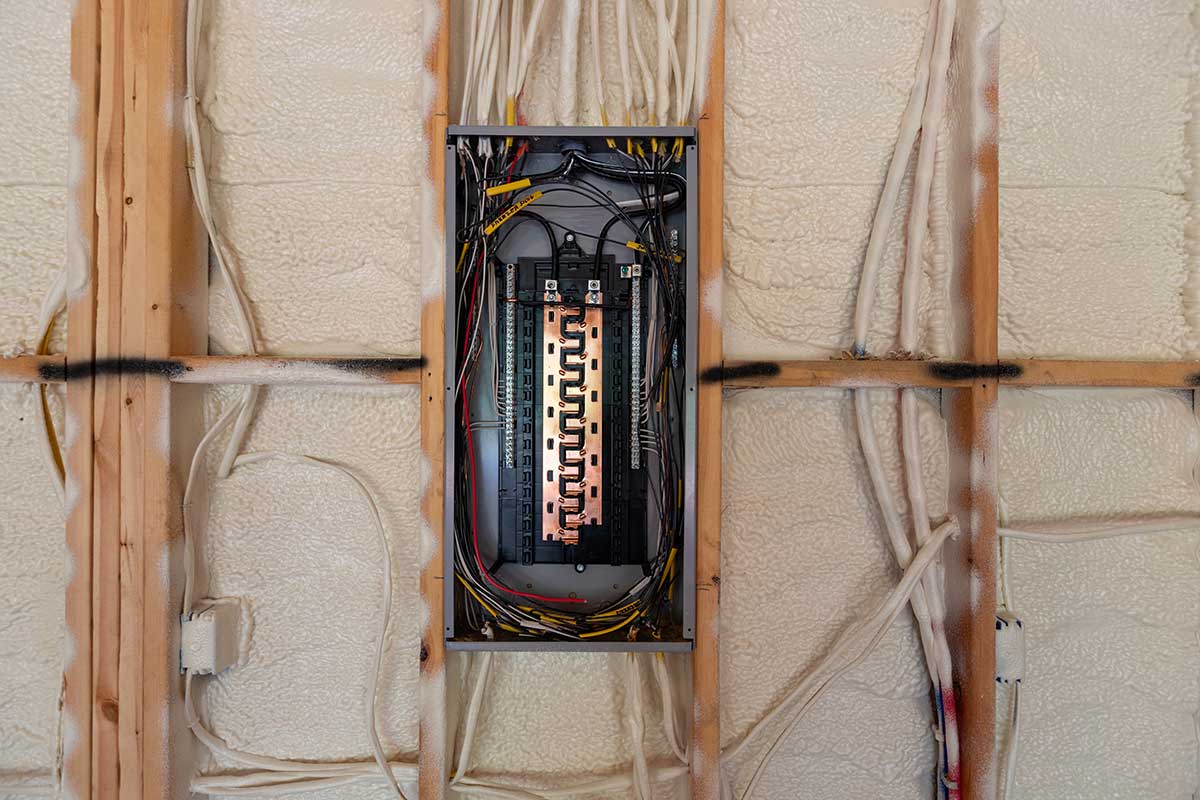
- Complete Coverage: Fills around pipes, wiring, and structural components to reduce gaps and voids.
- Improved Energy Efficiency
Helps reduce heat transfer and lower energy bills. - Versatile Installation
Works in both open areas like attics and enclosed wall cavities. - Cost-Effective Upgrade
Provides a relatively affordable way to improve insulation performance.
Understanding R-Value & Performance
The effectiveness of insulation is measured by its R-value, which indicates its resistance to heat flow. Blown-in insulation typically ranges from R-2.2 to R-3.8 per inch, depending on the material used.
While blown-in insulation improves thermal performance, it does not provide the same level of air sealing as spray foam insulation. In some cases, combining insulation types can deliver the best overall results.
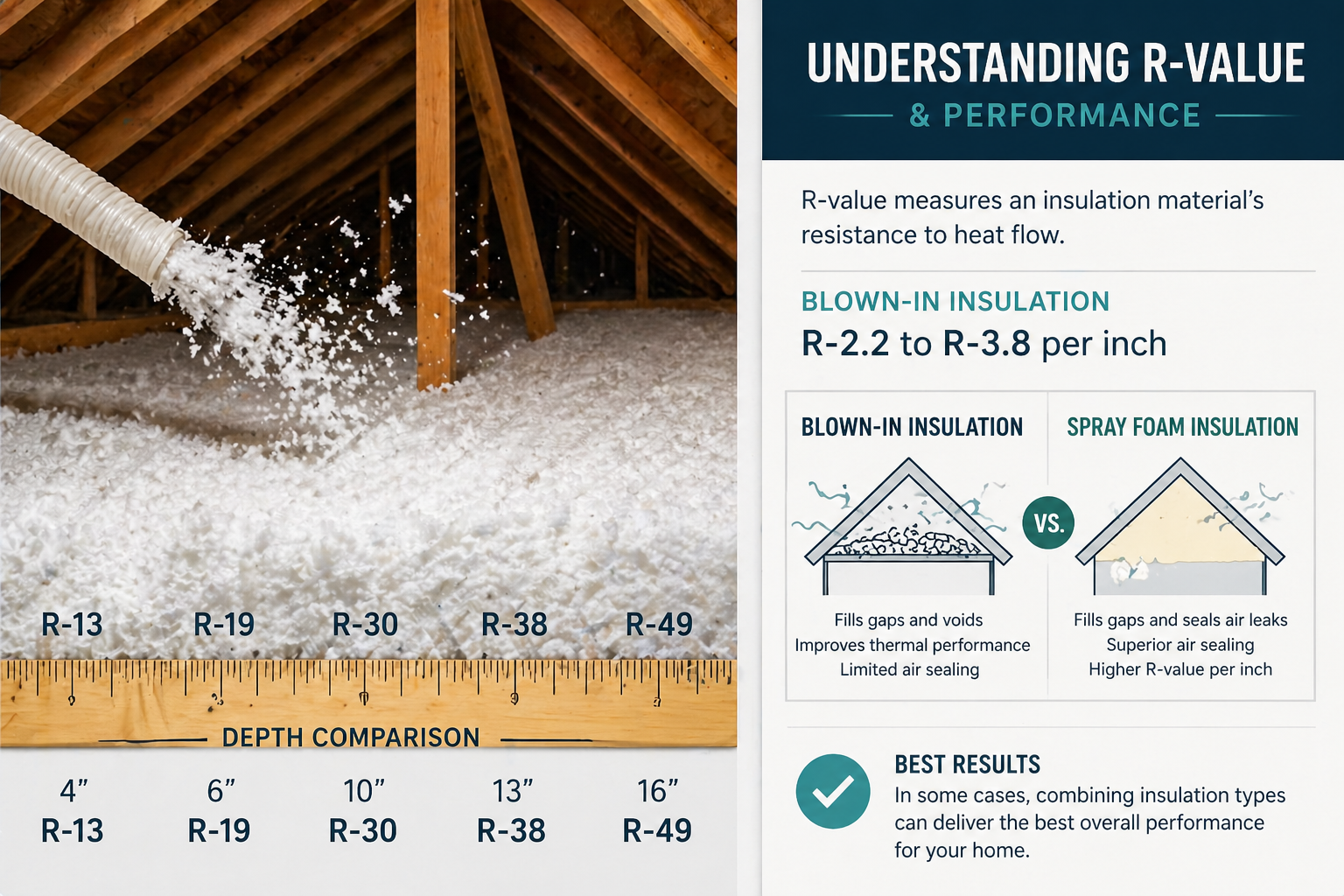
Blown-In vs. Spray Foam Insulation
Blown-in insulation is a great option for certain applications, but it’s important to understand how it compares to spray foam.
Blown-In Insulation
- Ideal for attics and existing homes
- Cost-effective for adding insulation
- Provides solid thermal resistance
Spray Foam Insulation
- Creates an air-tight seal
- Offers superior moisture control
- Higher overall performance and efficiency
Get a Free Blown-In Insulation Estimate
If your attic or walls are under-insulated, blown-in insulation can be a fast and effective way to improve your home’s efficiency and comfort. SealTight Foam Insulation offers free estimates to help you choose the right solution for your needs.
Contact our team today to learn more about blown-in insulation and whether it’s the right fit for your home.